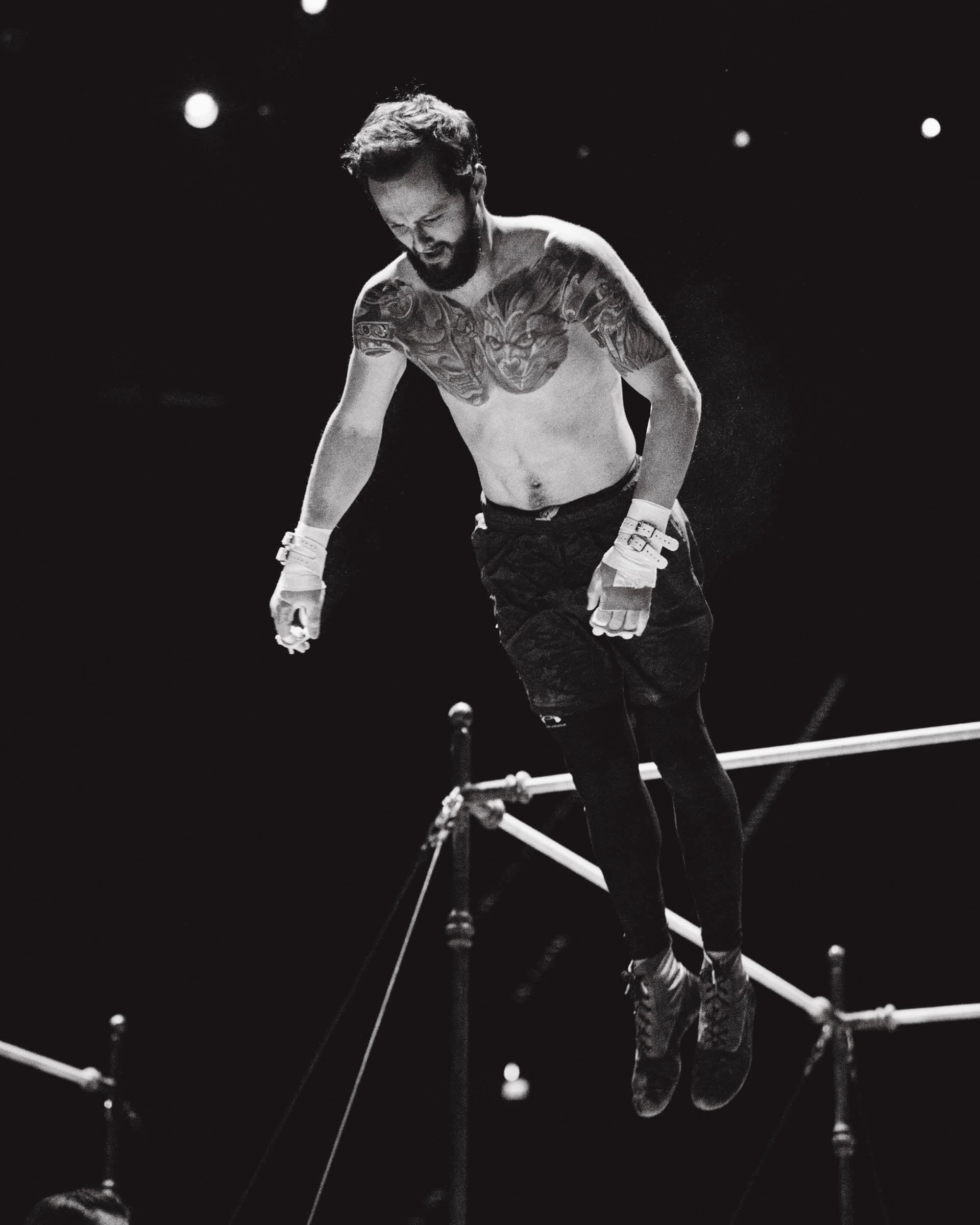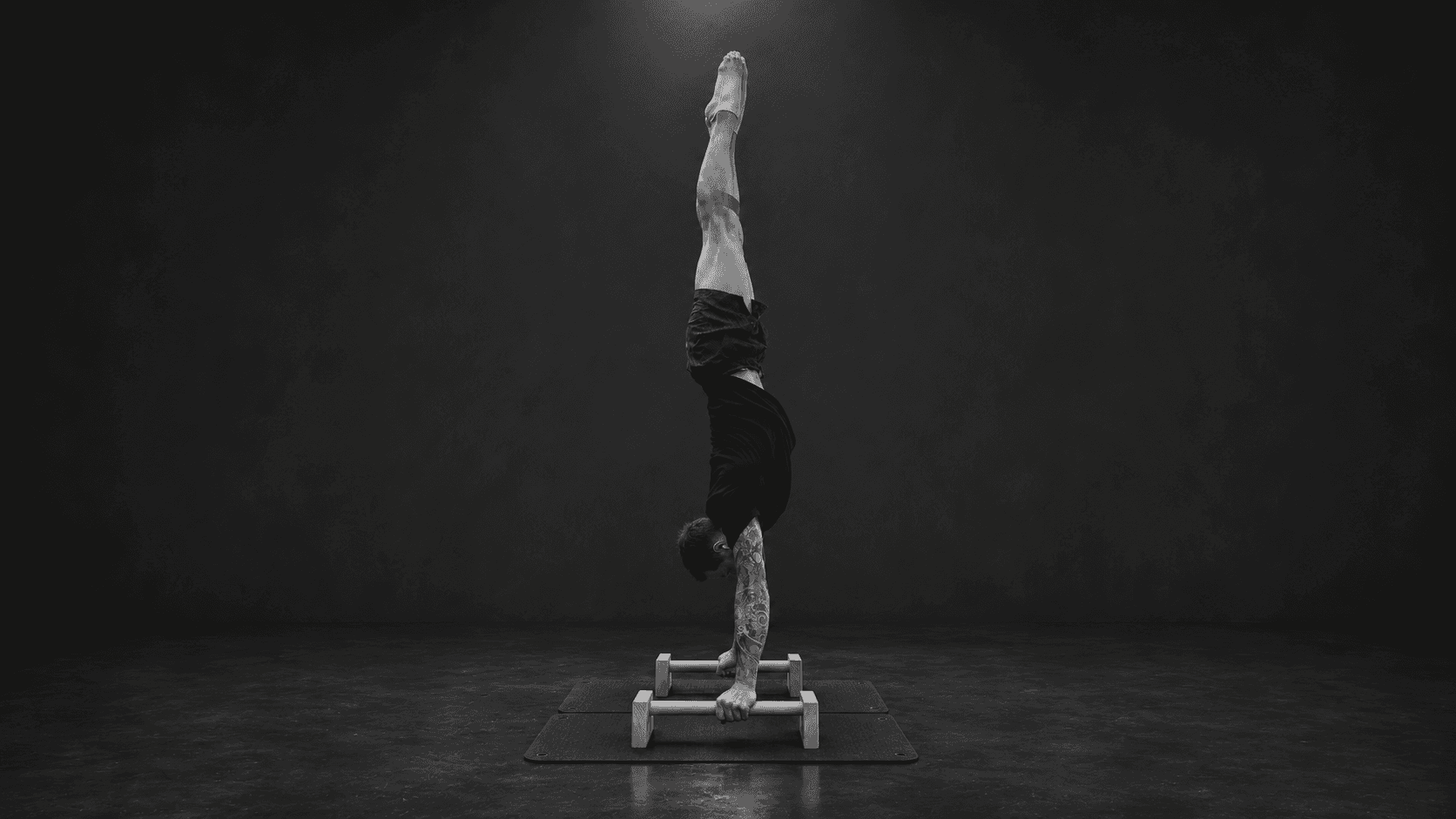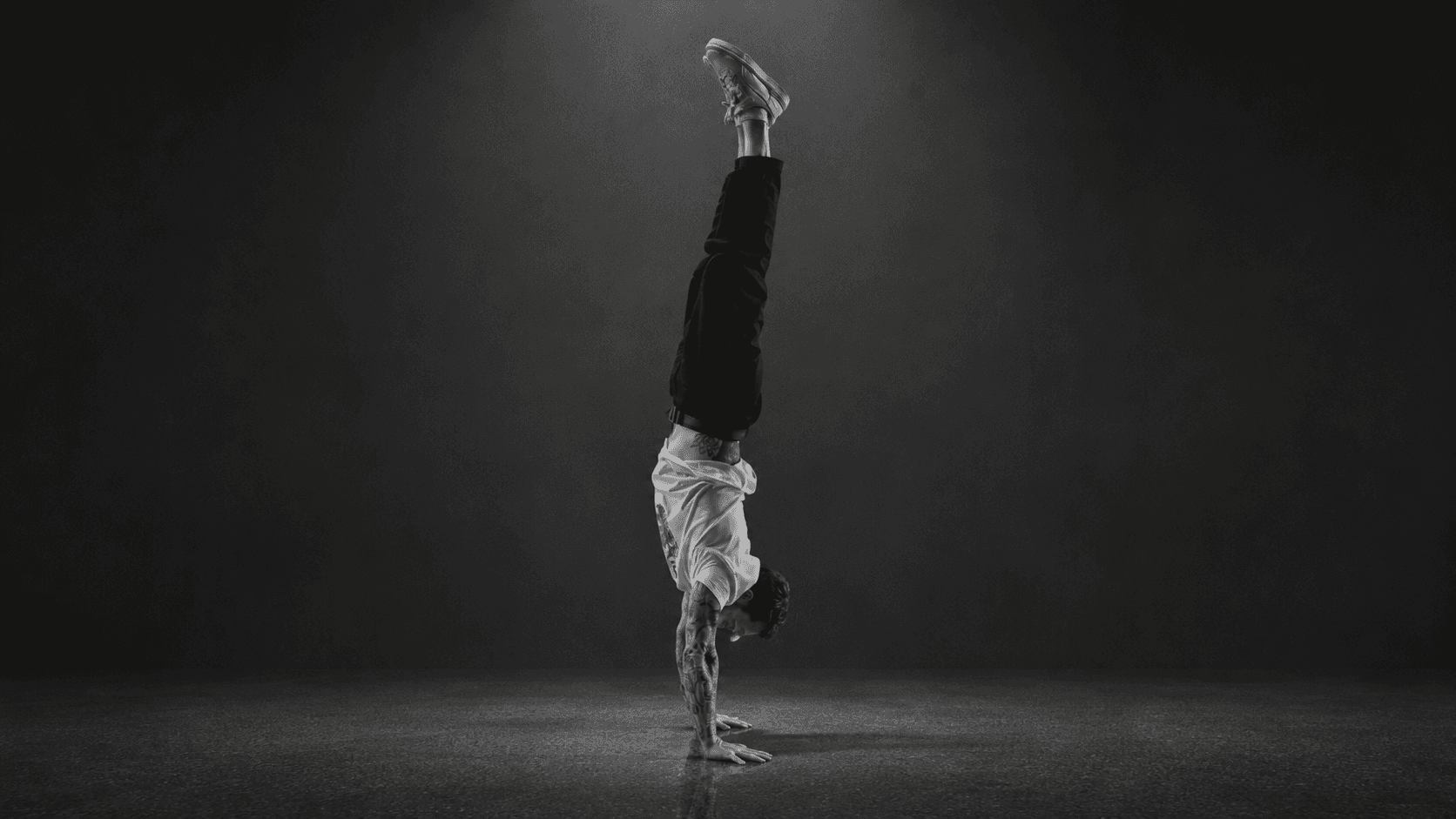
You already know how to kick up into a handstand. You can hold the position against a wall, feel reasonably confident supporting your weight on your hands, and have even started practicing without assistance.
But as soon as you move away from the wall, your balance disappears.
Sometimes you fall forward, sometimes you drop back onto your feet, and sometimes you manage to hold the position for just one or two seconds.
Sound familiar?
Many people believe that holding a handstand simply requires stronger shoulders, better abdominal strength, or a more powerful kick-up.
But strength is only one part of the equation.
A handstand is a motor skill that requires you to control your body position, distribute pressure through your hands, and respond to small changes in balance at the same time.
Let's explore the main reasons why your handstand isn't working and what you should actually practice to progress from wall-supported positions to independent balance.
1. You're Trying to Stay Completely Still Instead of Controlling Your Balance
From the outside, a good handstand looks almost motionless.
Straight arms, an extended body, and minimal movement create the impression that a gymnast has simply found the perfect position and frozen in place.
In reality, balance is constantly maintained through small corrective actions.
Even an experienced gymnast is never completely motionless. The nervous system receives information about body position and adjusts muscle activity to maintain stability.
It's similar to standing on your feet.
When we stand upright, the body makes small postural adjustments, while the muscles of the feet and lower legs help us maintain balance.
In a handstand, the hands and wrists perform much of this task, with additional contributions from the shoulders and other parts of the body.
That's why the main goal of training is not to eliminate all movement, but to learn how to make timely and precise corrections.
Holding a handstand means being able to maintain balance, not simply freezing in a visually perfect position.
Handstand balance is an active process. Even when the body appears motionless, the muscles continuously make small adjustments. The more precisely you control these corrections, the less unnecessary movement you need to maintain balance.
One of the most common mistakes beginners make is placing their hands on the floor without actively using them.
They transfer their body weight onto their hands and try to maintain balance entirely through their shoulders or leg position.
But your hands are one of the most important tools for controlling a handstand.
When your body starts moving toward your fingertips and you're at risk of tipping over, you need to increase the pressure of your fingers against the floor.
This helps generate a corrective torque at the wrists and bring your body back toward a balanced position.
When your body moves in the opposite direction, the pressure distribution across your palms also changes. However, not every loss of balance can be corrected through the wrists alone. Sometimes you need to adjust your shoulders or change your body position.
It's important to understand that using your fingers does not mean pressing them into the floor as hard as possible all the time.
The amount of pressure should change according to the direction and magnitude of your movement.
The earlier you recognize a loss of balance and respond to it, the smaller the correction you may need.
That's why developing awareness of your hand pressure and learning how to control it precisely are essential parts of handstand training.
3. Your Shoulders Aren't Providing a Stable Base of Support
Maintaining a handstand requires more than just strong shoulders.
You need to be able to use that strength in a specific position: with your arms overhead, your elbows straight, and a significant portion of your body weight transferred through your shoulders and into your hands.
In a gymnastics handstand, the goal is to create a stable base of support by keeping your elbows straight, actively engaging your shoulder girdle, and controlling the position of your shoulder blades.
If your shoulders lack sufficient mobility or you struggle to control them in an overhead position, achieving a comfortable body line may be difficult.
For example, instead of positioning the torso close to vertical, an athlete may compensate for limited shoulder movement by excessively arching the lower back or changing the position of the pelvis.
This does not mean that every arched handstand is incorrect or that balancing in such a position is impossible.
However, when learning a classic straight-body handstand, additional curves may increase the complexity of the task because more interconnected body movements need to be controlled.
That's why it's important to develop not only shoulder strength, but also active mobility, stability under load, and the ability to maintain your chosen position.
Strong shoulders help support your body weight. Good technique allows you to use that strength efficiently.
4. You're Losing Control of Your Pelvis and Core
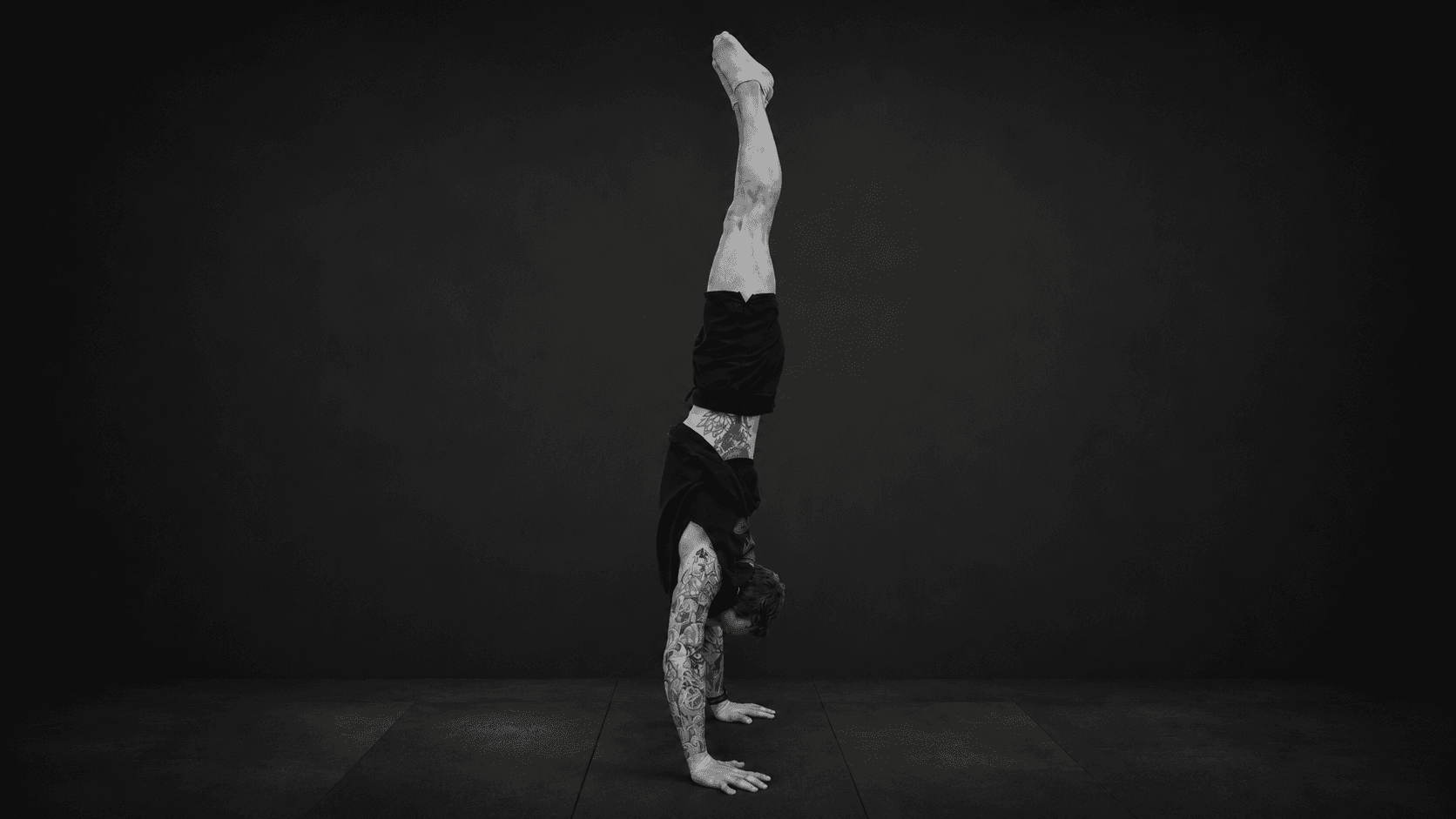
In a handstand, your entire body works as an interconnected system.
If the position of your pelvis, rib cage, or legs changes, it can affect how your body mass is distributed relative to your base of support.
Beginners often try to compensate for losing balance by excessively arching their lower back, bending their legs, or making sudden movements with their pelvis.
Sometimes these movements can help prevent a fall. But when they happen constantly and without control, maintaining a stable handstand becomes more difficult.
To improve body position control, it is useful to train the coordinated activity of your abdominal, back, hip, and shoulder muscles.
However, you do not need to tense your abs as hard as possible or force your lower back into a particular position.
The goal is different: to generate enough muscular activity to control your body shape and make small adjustments when necessary.
For beginners, exercises that develop core and pelvic control without requiring a full handstand are particularly useful.
Over time, these skills can be transferred into the inverted position.
The better you can control individual parts of your body, the easier it becomes to coordinate them in a complete handstand.
5. You're Kicking Up Too Hard Into Your Handstand
One of the most common mistakes when learning a handstand is trying to reach the vertical position with the strongest possible kick-up.
Beginners often assume that the more powerfully they push off the floor, the easier it will be to get their body above their hands.
But the goal is not simply to get upside down. You also need to stop the movement and maintain your balance.
If your kick-up is too powerful, your body may pass through the vertical position with excessive momentum. As a result, you may need to increase finger pressure abruptly, adjust your shoulders, or make other compensatory movements to avoid tipping over.
If your push-off is too weak, the opposite happens: your legs do not reach vertical, and you return to the starting position.
That's why it's important to learn how to control the force generated by your supporting leg and the movement of your swinging leg.
Your kick-up should be powerful enough to lift your body while remaining controlled.
A good handstand entry is not about pushing off as hard as possible. It's about producing precisely the amount of force you need.
Try gradually reducing the force of your kick-up while maintaining straight elbows and stable shoulder support. Your goal is to learn how to approach the vertical position without constantly having to rescue your balance through sudden movements.
6. You Spend Too Much Time Against the Wall Without Training Independent Balance
The wall is a valuable tool for learning a handstand.
It allows you to gradually become comfortable in an inverted position, develop shoulder endurance, practice body alignment, and spend more time supporting your weight on your hands.
But there's an important distinction.
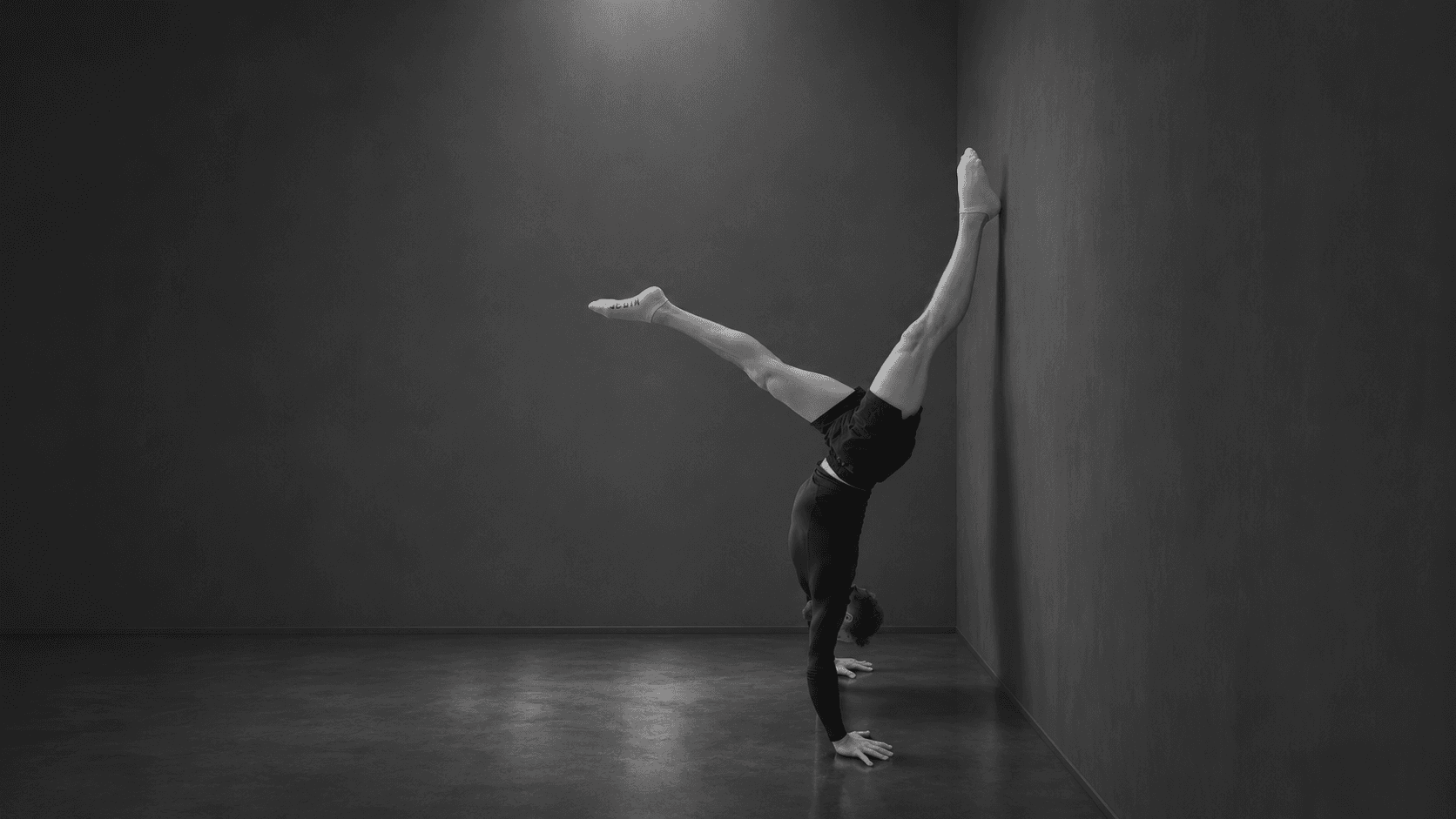
Holding a wall-supported handstand and maintaining independent balance are not exactly the same task.
When your feet are constantly touching the wall, the external support helps prevent you from falling.
You may be able to hold that position for a considerable amount of time without practicing the precise finger-pressure adjustments needed for independent balance.
That's why being able to hold a handstand against the wall for one minute does not guarantee that you can hold a freestanding handstand for even five seconds.
To develop balance, you need to gradually reduce your dependence on the wall.
For example, you can practice briefly and carefully lifting one or both feet away from the wall, trying to recognize the moment when your body reaches a balanced position.
Each independent hold may be very short. In the early stages, the quality of your attempts matters more than achieving a record time.
You do not need to aim for a ten- or twenty-second freestanding handstand immediately.
First, learn how to find your balance, make small corrections, and return safely to the starting position.
The wall helps you learn the handstand position, but independent balance requires its own practice.
How Can You Train Handstand Balance Instead of Just Practicing Kick-Ups?
Learning a handstand becomes more manageable when you break the complex skill down into smaller tasks.
You do not need to attempt a perfect freestanding handstand from the beginning.
First, prepare your wrists and shoulders to support your body weight. Then learn how to transfer weight onto your hands, control your body position, and gradually progress to more challenging balance exercises.
One of the most important skills is learning to feel how small changes in pressure through your hands affect your body position.
Biomechanical research shows that experienced gymnasts primarily use what is known as the wrist strategy. They regulate torque at the wrists to control body sway while keeping the other body segments relatively stable.
When this strategy is not sufficient, the shoulders, elbows, and hips may contribute more actively to balance corrections.
However, understanding this principle in theory is not enough. You need to develop it through consistent practice.
A useful approach is to combine exercises for weight-bearing support, body alignment, wall-supported control, and short independent balance attempts.
The quality and precision of your repetitions matter more than the number of uncontrolled handstand entries.
5 Exercises to Prepare for a Freestanding Handstand
To develop a stable handstand, you need several interconnected skills: a strong base of support, shoulder mobility, core control, and the ability to manage your body weight.
The following five exercises can be used as a preparatory sequence. The suggested training volumes are guidelines and should be adjusted to your current ability.
1. Wrist Rock Back — Wrist Load Control
10 smooth repetitions.
Perform the movement slowly, gradually changing your body position relative to your hands. The goal is to prepare your wrists for weight-bearing and learn to control the load without sudden movements.
2. Scapular Push-Up to Lean — Active Shoulder Control
10 repetitions.
Keep your elbows straight, control the movement of your shoulder blades, and work through a comfortable range of motion. Focus on stable support and coordinated shoulder girdle activity.
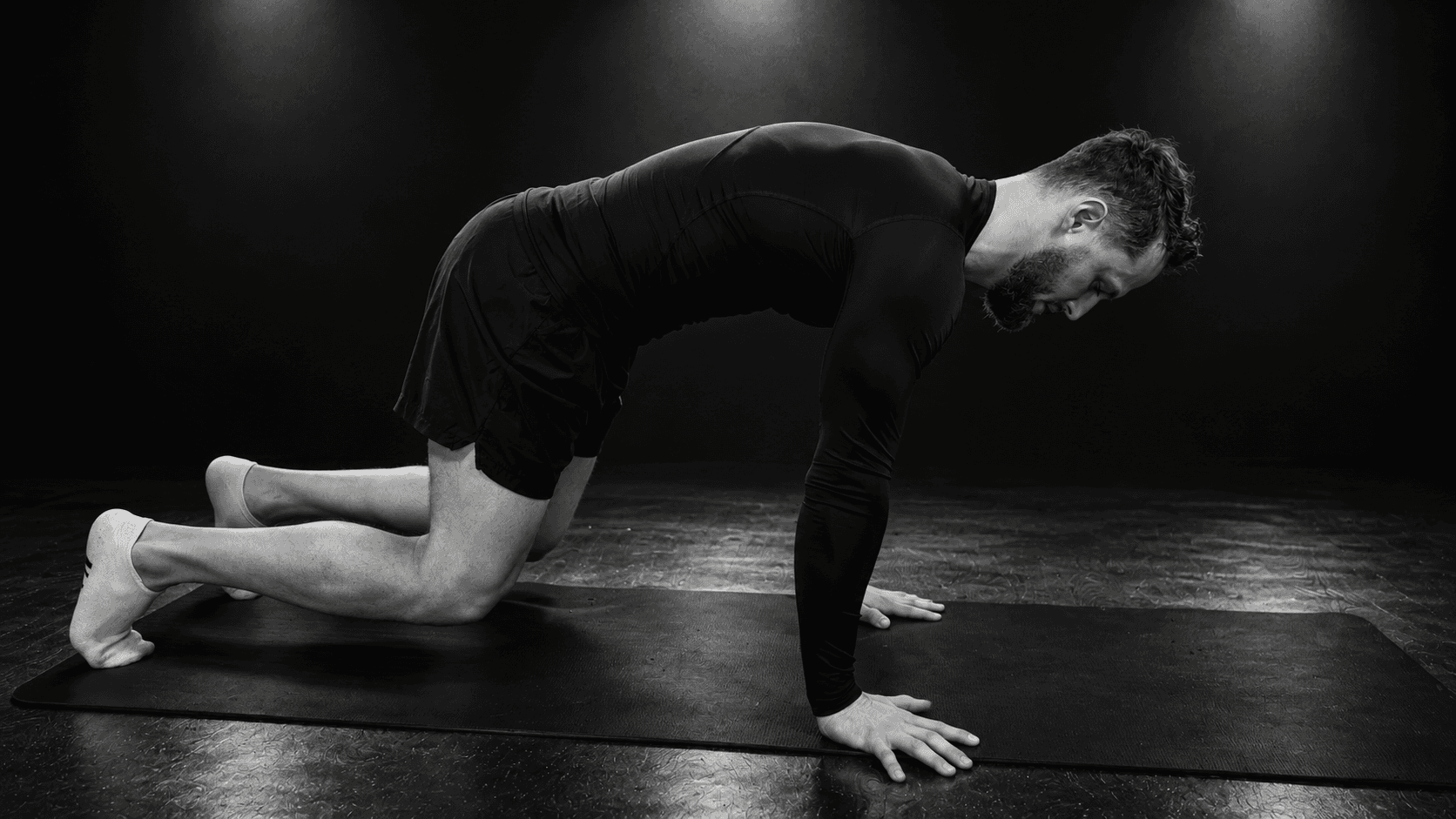
3. Bear Hold — Core Stability in a Supported Position
2 sets of 10–20 seconds.
Hold the position with your hands and feet supporting your weight, maintaining control of your torso and pelvis. Continue breathing calmly without holding your breath.
4. Bear Shoulder Tap — Weight Transfer Between Your Hands
2 sets of 10 taps total per set.
Alternately lift one hand from the floor and touch the opposite shoulder. Try to avoid excessive pelvic rotation and sudden shifts in body weight.
5. Handstand Wall Balance — Your First Independent Balance Corrections
3–5 short, controlled attempts.
If you can already hold a confident wall-supported handstand, gradually reduce foot contact with the wall and try to feel your independent balance. Do not attempt to hold the position for as long as possible immediately.
Before practicing the final exercise, make sure you have learned how to exit a handstand safely, have enough clear space around you, and train with a qualified coach when necessary.
If you are not yet comfortable in a wall-supported handstand, continue developing the previous exercises and progress gradually.
The key is not to rush to the next stage before you can confidently control the previous one.
When Are You Ready to Practice a Freestanding Handstand?
There is no single universal time standard that automatically determines when someone is ready for a freestanding handstand.
Being able to hold a wall-supported handstand for 30 or 60 seconds does not necessarily mean you are ready to balance independently.
It is more useful to focus on the quality of your technique.
Before attempting a freestanding handstand, you should ideally be able to:
- Confidently transfer your body weight onto straight arms
- Maintain active shoulder support
- Control the position of your torso and pelvis
- Regulate the force of your kick-up
- Make small corrections through pressure against the floor
- Exit an inverted position safely
However, you do not need to perfect every individual skill before making your first independent balance attempts.
These skills can develop simultaneously. You can continue improving strength and mobility, refine your wall-supported technique, and gradually introduce short freestanding attempts.
The important thing is to choose exercises that match your current ability rather than trying to copy advanced gymnasts without the necessary foundations.
Progressing to a freestanding handstand is a gradual process, not a test of how many seconds you can hold against a wall.
The Key to a Handstand Isn't Just Strength — It's Body Control
If you cannot hold a handstand yet, it does not necessarily mean you lack strength or a natural sense of balance.
You may simply not have developed precise control of finger pressure, stable shoulder positioning, or the ability to regulate the force of your kick-up.
A handstand combines several motor skills that need to be developed progressively.
Strength allows you to support your body weight. Mobility helps you achieve the necessary positions. Coordination connects the movements of individual body segments. Balance practice teaches you to recognize deviations and make corrections at the right moment.
All these qualities matter.
But the most important thing to understand is that a handstand does not automatically develop after hundreds of attempts against a wall.
You are not simply learning to stand upside down. You are learning to control your body in an unfamiliar position.
And this is the skill that gradually transforms occasional moments of balance into a confident freestanding handstand.
"A handstand doesn't begin with the ability to lift your legs overhead. It begins with the ability to control your balance."
Want to Learn a Handstand Step by Step?
If you want to do more than simply attempt handstands and would rather develop proper technique step by step, start with the right foundations.
At Move Better Academy, we have developed a multi-level handstand training system based on the progressive development of strength, mobility, stability, and body control.
Handstand — Level 1: Foundation is the first stage of the program. You will learn the fundamentals of supporting your body weight on your hands, develop control of your shoulder girdle and core, and prepare for more advanced exercises.
As you progress, you can move on to the next levels: working in inverted positions, controlling your handstand against a wall, and eventually developing independent balance.
You do not need to master everything at once. Choose the level that matches your current abilities, train consistently, and focus on movement quality.
A strong handstand starts with a solid foundation.
Move Better. Master Your Balance.
Handstand — Level 1: Foundation
The first level of a step-by-step handstand training program. Over 3 weeks and 9 workouts, you'll develop strength, mobility, and body control. Learn the fundamentals of supporting your body weight on your hands, strengthen your shoulders, and prepare for the next stages of handstand training. Suitable for beginners
Scientific References
- Kerwin D. G., Trewartha G. (2001). Strategies for Maintaining a Handstand in the Anterior-Posterior Direction. Medicine & Science in Sports & Exercise, 33(7), 1182–1188.
https://doi.org/10.1097/00005768-200107000-00016 - Yeadon M. R., Trewartha G. (2003). Control Strategy for a Hand Balance. Motor Control, 7(4), 411–430.
https://pubmed.ncbi.nlm.nih.gov/14999137/ - Balance Control Strategies During Perturbed and Unperturbed Balance in Standing and Handstand (2017).
https://pmc.ncbi.nlm.nih.gov/articles/PMC5541526/ - Malíř et al. (2024). Are the Shoulder Joint Function, Stability, and Mobility Tests Predictive of Handstand Execution? PLOS ONE, 19(5), e0302922.
https://doi.org/10.1371/journal.pone.0302922 - Biomechanical Analyses of the Handstand: A Systematic Review (2025). Frontiers in Sports and Active Living, 7, 1694648.
https://doi.org/10.3389/fspor.2025.1694648
About the author