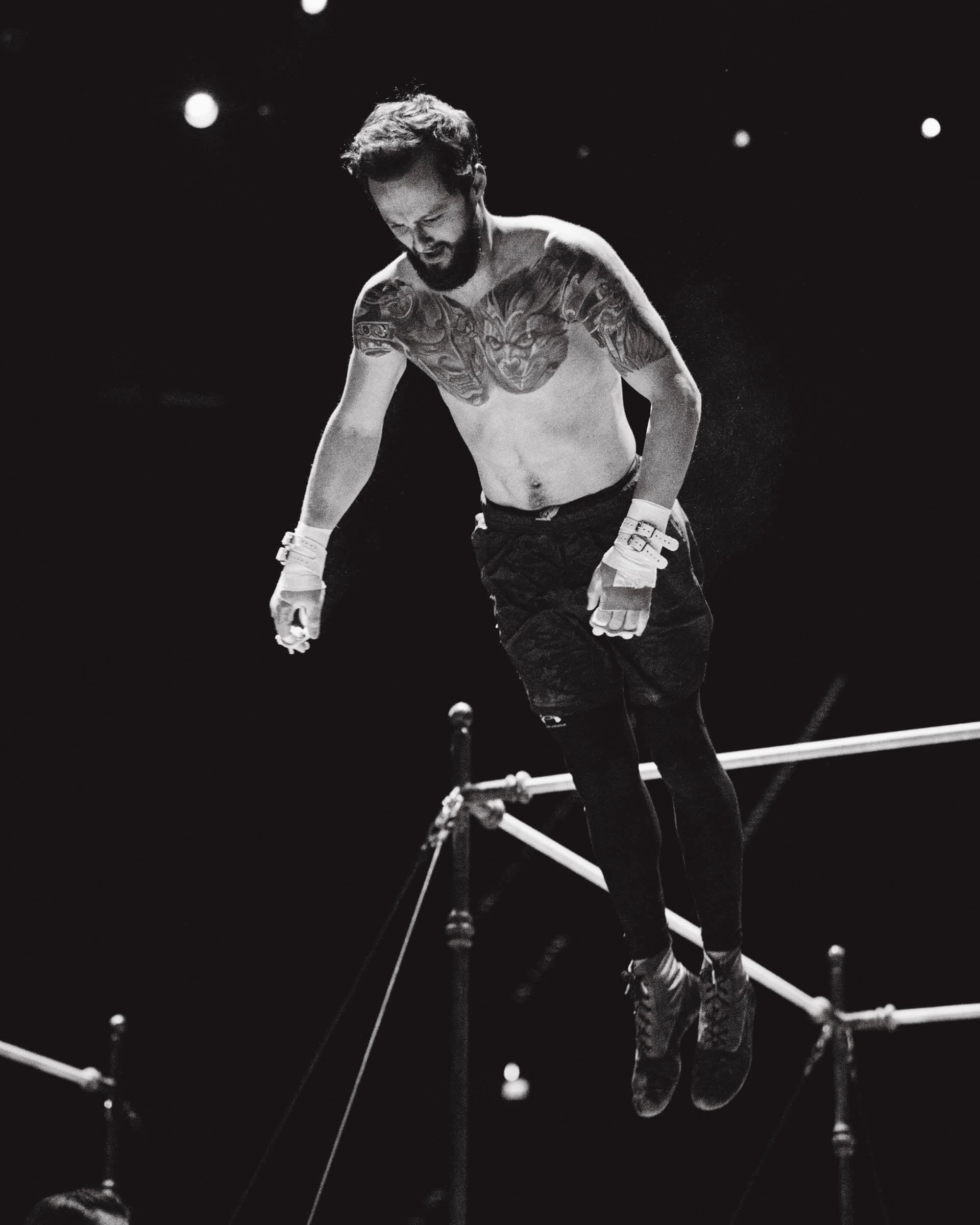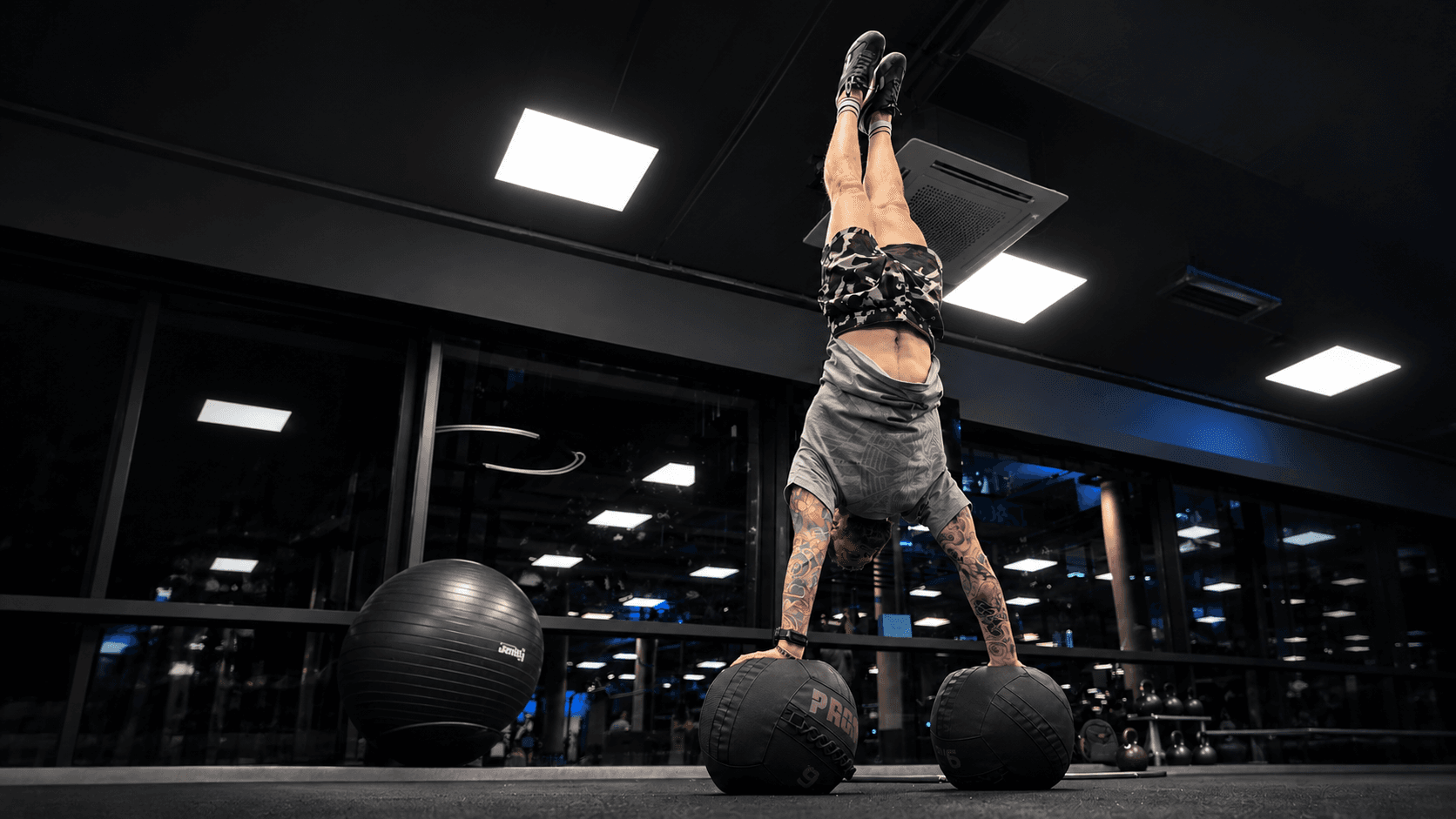
Imagine two people.
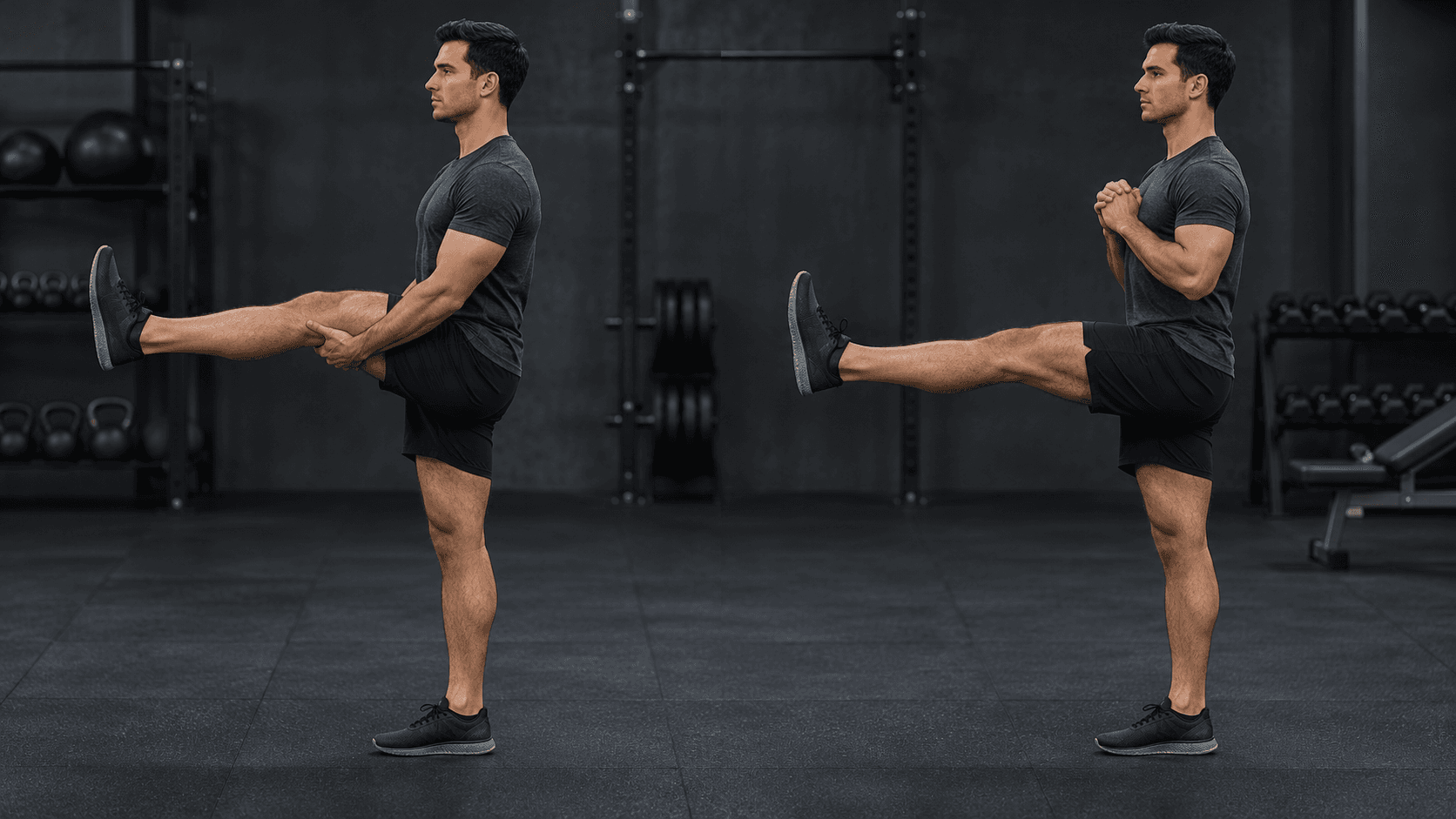
The first can easily bend forward and place their palms on the floor. But when asked to slowly lift one straight leg in front of them without leaning backward, the movement becomes much more difficult.
The second person is not nearly as flexible but can confidently lift their leg, control its position, and maintain stability.
Which of them is better prepared?
The answer depends on the task.
Flexibility allows you to reach a certain range of motion. But actively producing and controlling movement within that range requires more than flexibility alone.
This is why regular stretching does not always produce the results people expect from mobility training.
Flexibility vs. Mobility: What's the Difference?
In fitness and training, these terms are often used interchangeably, although making a practical distinction between them can be useful.
Flexibility is the ability to achieve a certain range of motion in a joint or group of joints. It depends on the properties of muscles and tendons, joint structures, the nervous system, and your tolerance to stretching.
Mobility, in a practical training context, refers to the ability to actively move through an available range of motion with the necessary control, coordination, and stability.
For example, when you lift your leg using your hands, an external force helps you reach the position.
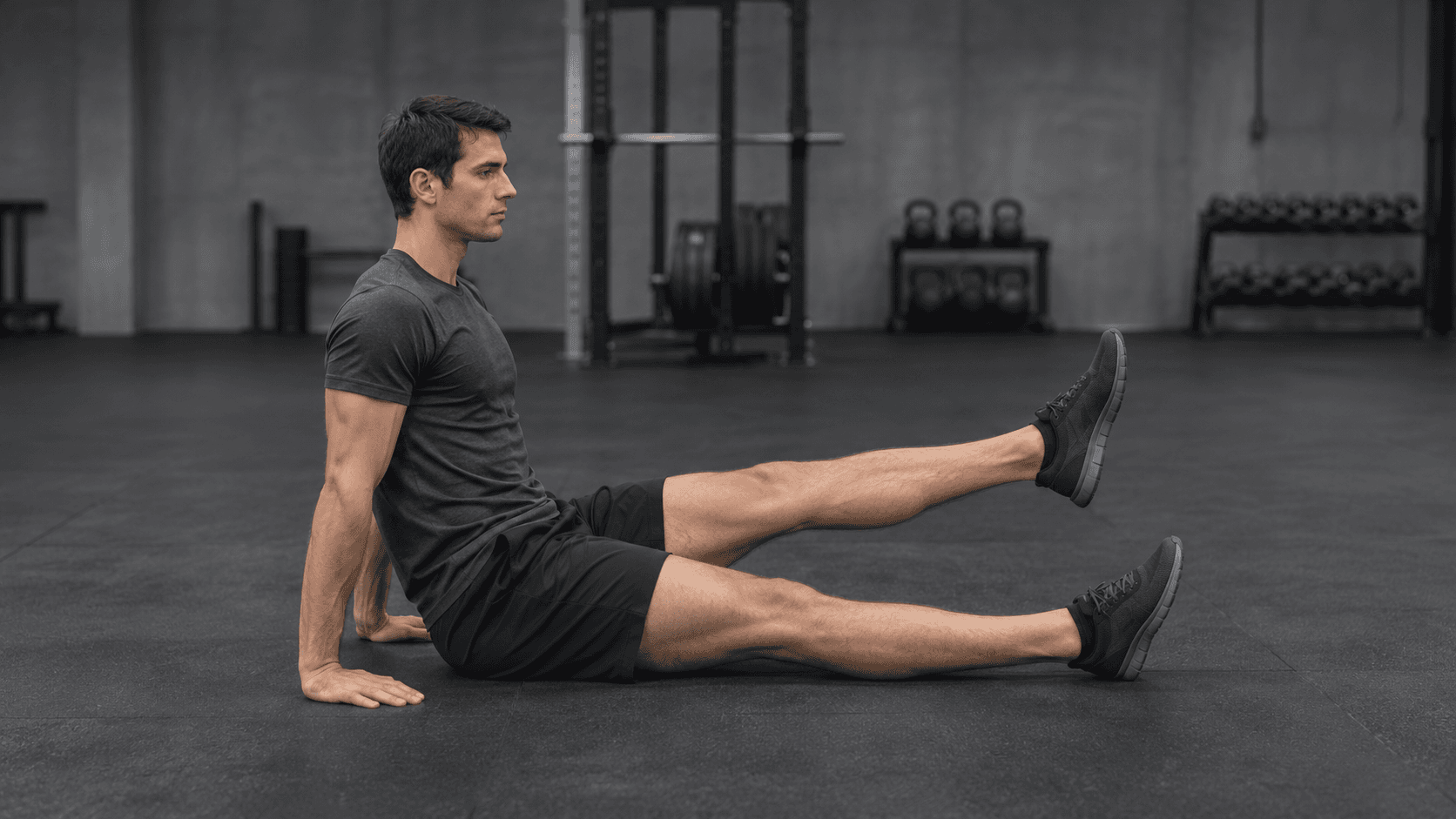
When you lift and hold your straight leg independently, without using your hands, the movement also requires muscular effort and motor control.
However, flexibility and mobility are not two completely separate physical abilities. Their definitions may vary depending on the training discipline or methodology.
For our training purposes, the key point is:
Having access to a range of motion and being able to actively use that range are related, but not identical, abilities.
Why Isn't Stretching Alone Always Enough?
Imagine someone who regularly stretches their hamstrings and gradually becomes able to bend further forward.
But this does not necessarily mean they can:
- Lift a straight leg high without assistance
- Hold it confidently in an elevated position
- Control the movement when changing speed
- Maintain torso stability in challenging positions
These tasks require appropriate muscular strength, coordination, and the ability to control the joints throughout a particular range of motion.
Stretching can help increase the available range of motion, but it does not automatically develop all these movement skills.
When training mobility, we should therefore consider not only how far someone can stretch, but also what they can actually do in the position they have reached.
Stretching Works — But It Doesn't Do Everything
Regular stretching can increase range of motion. However, developing active control within that range may also require strength and coordination exercises.
Why Do You Need Strength Through a Large Range of Motion?
Many people are used to dividing training into two categories: stretching for flexibility and strength exercises for muscles.
In practice, these approaches can complement each other.
When you perform a movement using muscular effort through a large available range of motion, your muscles learn to produce and control force in those positions.
This is especially important in gymnastics, calisthenics, and other disciplines where the goal is not simply to reach a challenging position, but also to enter, hold, or exit it independently.
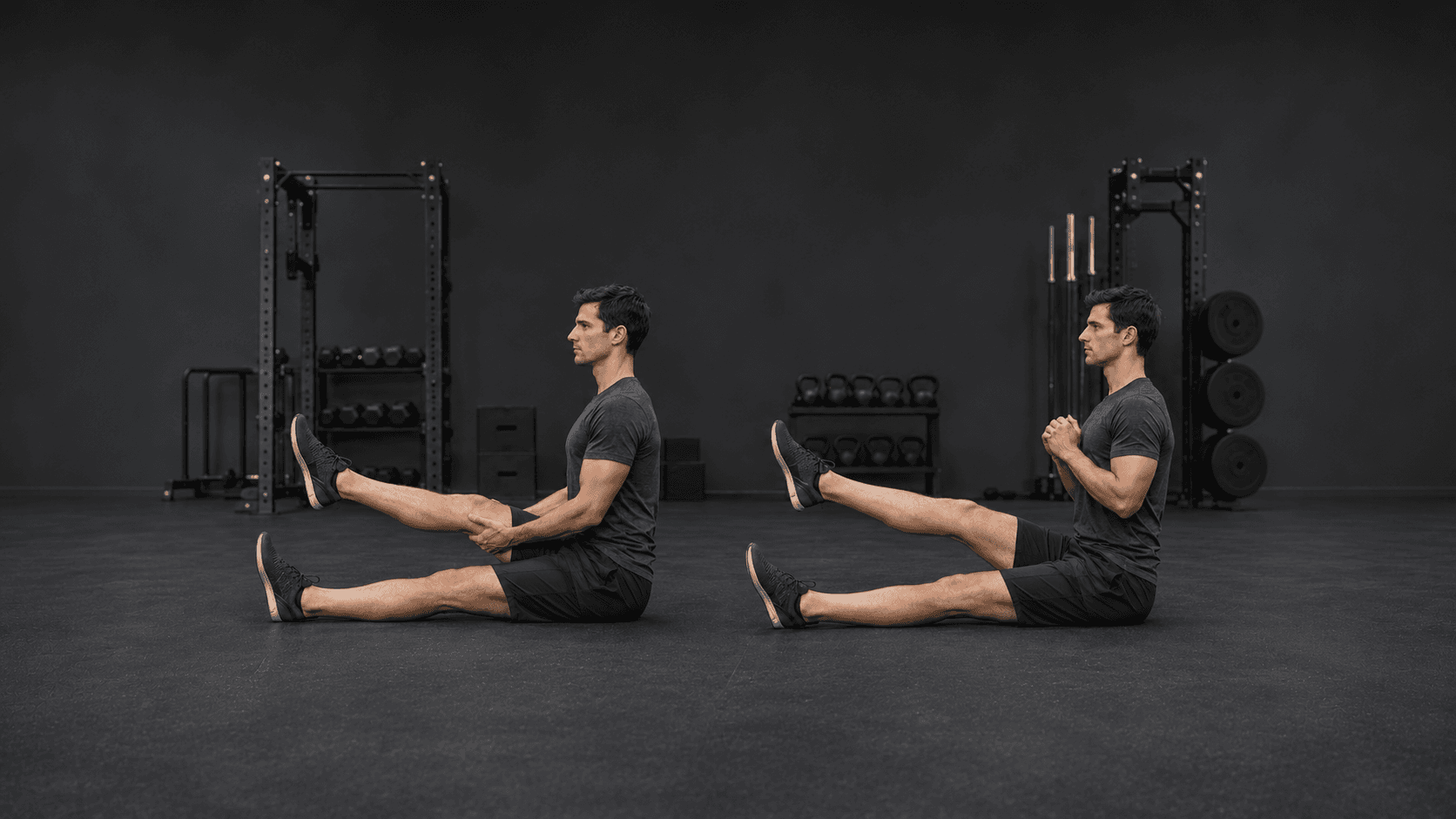
For example, being able to perform a deep forward bend does not guarantee that you can lift your straight legs while seated.
That movement also requires active hip flexion, muscular strength, and coordination.
Interestingly, strength training performed through a sufficient range of motion can itself increase that range. Strength training and flexibility development therefore do not necessarily need to be treated as separate activities.
It's important not only to gain access to a range of motion, but also to learn how to control movement within it.
Why Is the Nervous System Important?
Every controlled movement involves cooperation between your muscles and nervous system.
To lift an arm or leg or change your torso position, the nervous system must organize muscular effort, account for joint positions, and adjust movement based on incoming sensory information.
Learning to use a new range of motion is therefore not only a matter of the mechanical properties of your tissues.
You also need to learn how to use the available movement to accomplish a specific task.
This is particularly noticeable in gymnastics.
Someone may have sufficient shoulder mobility but still struggle to maintain the correct position of their arms and torso during a handstand.
The limitation is not necessarily a lack of flexibility. Sometimes it is related to strength, coordination, or insufficient practice of the movement itself.
This is why mobility training can include not only stretching but also active movements, holds, and body-control exercises.
How Can You Improve Mobility More Effectively?
There is no single training sequence that works equally well for everyone. However, combining several training objectives can be useful.
1. Develop your available range of motion
This may involve static and dynamic stretching, as well as other exercises that allow you to gradually work through a greater range.
2. Actively use that range
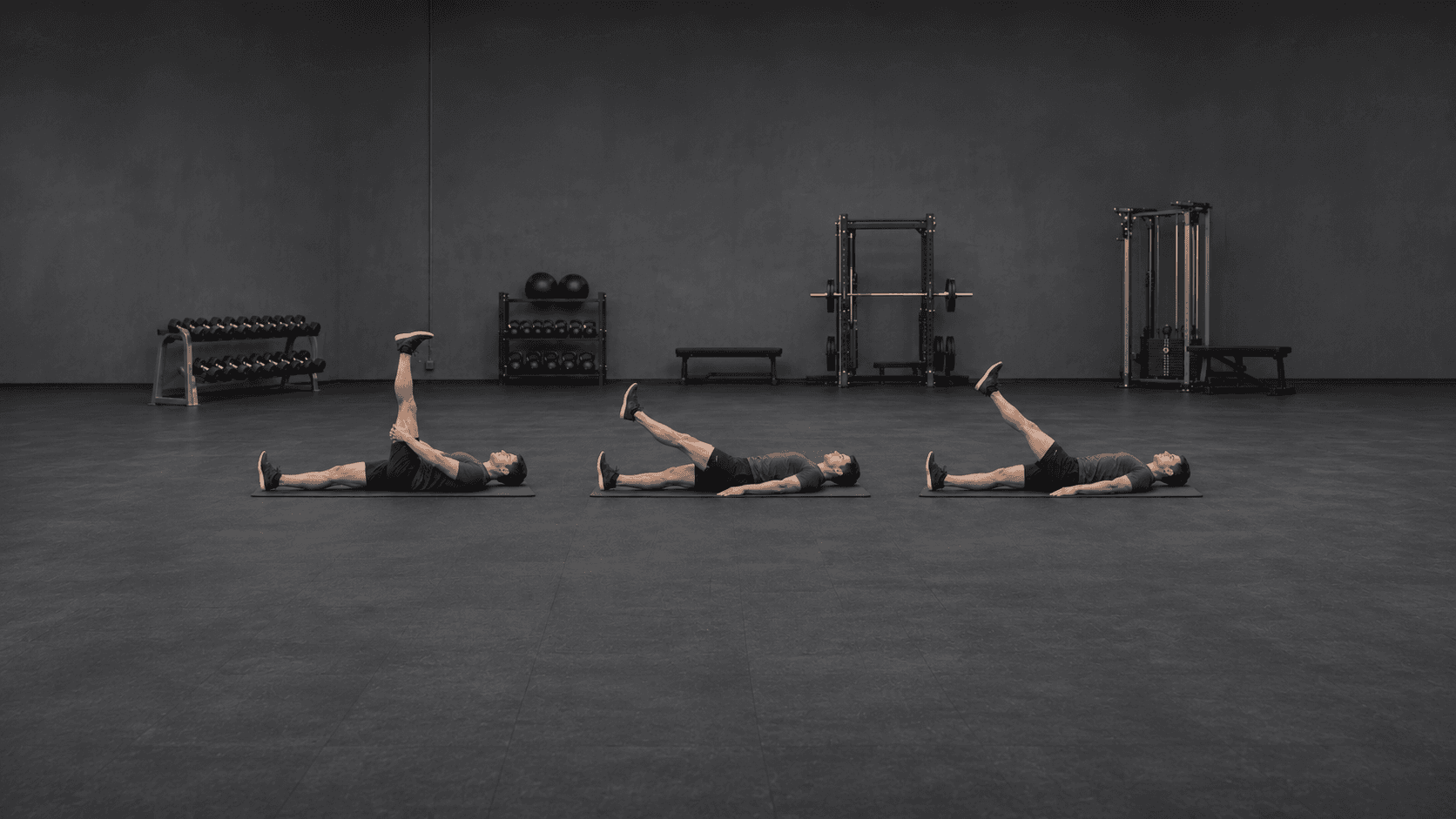
Perform controlled movements in which you reach the necessary positions using your own muscular effort.
3. Develop strength
Include exercises with appropriate resistance and a suitable range of motion, focusing on movement quality.
4. Apply the skill
Use your developing abilities in the movements you are actually training for: forward bends, squats, gymnastics skills, or everyday activities.
You do not need to address all four objectives in every workout.
Exercise selection should depend on your goal, current fitness level, and the specific factors limiting your movement.
Three Common Mobility Training Mistakes
Mistake 1. Measuring progress only by how deeply you can stretch.
A large range of motion can be useful, but it does not always reflect your ability to control movement. Evaluate progress in relation to your goal.
Mistake 2. Constantly forcing a greater range of motion through pain.
Stretching discomfort and pain are not the same thing. Avoid forcing movements if you experience sharp pain, numbness, or a feeling of instability.
Mistake 3. Assuming everyone needs maximum flexibility.
Different activities require different ranges of motion. A gymnast, a runner, and someone who simply wants to move more comfortably in everyday life do not necessarily need the same exercises or the same results.
The goal is not maximum range of motion at any cost, but a range that meets the demands of your activities.
When Should You See a Specialist?
If restricted movement is accompanied by persistent pain, numbness, significant weakness, or developed after an injury, do not attempt to resolve the problem through intensive stretching. Seek an individual assessment from a qualified healthcare professional.
Don't Just Reach a Position — Learn to Control It
Good mobility is not a competition to see who can bend the furthest or lift a leg the highest with assistance.
For many movement tasks, the ability to reach the required positions independently, control them, and use them during movement is far more important.
Stretching can be an effective way to develop range of motion. Strength exercises and movement practice help develop other qualities needed to perform a specific skill.
There is no need to treat these approaches as opposites.
Choose exercises based not on whether they are labelled "stretching" or "mobility", but on the result you want to achieve.
It's not just about how far you can move, but how well you can control that movement.
Moving Better Means Moving with Greater Awareness
At Move Better Academy, we see movement as a skill that can be developed progressively.
Depending on the goal, training may include mobility, strength, coordination, and body control.
This approach forms the foundation of our educational programs: progressive preparation, clear exercises, and a gradual increase in difficulty.
You do not need to chase maximum flexibility just to create an impressive photograph.
What matters more is understanding why you need a particular range of motion and how to use it in real movement.
Move Better Academy — learn to move better.
About the author